
Why Mushrooms Are More Than a Side Dish
Most of us think of mushrooms as background characters — little white edible buttons from the grocery store or odd clusters popping up overnight on damp lawns. But mushrooms are far more than garnish. They’re part of an underground world that feeds forests, connects plants, and quietly shapes life on Earth. And here’s the kicker: you can bring that hidden world right into your kitchen.
Beneath the forest floor runs a hidden network connecting trees, seedlings, and fungi — the same principles your kitchen mushrooms follow. Understanding this system gives you a glimpse into how nature really works and why the steps below actually succeed. Explore about these hidden networks and more in the clickable Deeper Dive buttons below>>>
Mushrooms don’t need sunlight, they don’t take up much space, and once you understand their rhythm, they reward you with flushes of savory, nutrient-packed food. Growing them indoors isn’t just possible — it’s surprisingly fun! By the end of this post, I want you to move from “Meh, mushrooms are interesting, but…” to “Cool, I gotta grow these!”
Why Mushrooms Belong Indoors
If you’ve ever grown basil or lettuce on a sunny windowsill, you know the pleasure and flavor of snipping something fresh for dinner. Mushrooms flip that story. They’re not plants at all, so they don’t care so much about sunshine or photosynthesis. What they crave is moisture, a food source like wood or straw, and a bit of stable air. That makes them perfect for apartments and kitchens where leafy greens might otherwise struggle.

They earn their place at the table nutritionally, too. Mushrooms are loaded with B vitamins, selenium, copper and antioxidants. They’re one of the rare foods that can actually make vitamin D when given just a little sunlight. And their flavor profile — that deep, savory umami — turns weeknight pasta into something restaurant-worthy. A flush of homegrown oyster or shiitake mushrooms, harvested right from your kitchen counter, can change the way you think about and approach dinner.
The Secret Life of Fungi
Before you dive in, it helps to know a little about what’s happening behind the scenes. The white, webby threads you sometimes see in soil or on a rotting log are called mycelium. That’s the part of a fungal body hard at work, building a structure that supports the healthy production of fruit. It spreads quietly, breaking down organic matter and recycling it into nutrients that plants can use. The mushrooms we see — whether in the forest or in a grow kit — are just the fruiting bodies, the temporary structures mycelium sends up to release spores.
 Deeper Dive: The Wood Wide Web — How Mycelium Connects Forests
Those tiny spores are astonishing! One mushroom can produce billions in its short life, each drifting invisibly through the air, hoping to land somewhere that feels like home. Unlike plants, fungi don’t rely on chlorophyll or photosynthesis. In fact, genetically speaking, mushrooms are closer to animal than plant. Growing them indoors feels less like gardening in the traditional sense and more like partnering with a hidden network that’s been at work since the beginning.

Getting Started: Ways to Grow Mushrooms at Home
There are a few paths into the world of homegrown mushrooms, and which one you choose depends on your patience and curiosity.
For most people, the easiest way in is with a grow kit. Picture a block of sawdust or straw, already alive with pre-loaded mycelium, tucked into a little plastic bag. You cut a slit, mist it with water a couple of times a day, and wait. Within a week, tiny “pins” begin to appear, and then — almost overnight — you’re staring at a cluster of oyster mushrooms ready to harvest. It’s simple, foolproof, and delicious.
“Mycelium is the Earth’s natural internet.”
— Paul Stamets, TED Talk: “Six Ways Mushrooms Can Save the World”

If you’re the patient sort, you might try inoculating a log yourself with spawn purchased online. A fresh oak or maple log drilled with little holes and plugged with mushroom spawn can sit in a shady corner outdoors, slowly becoming colonized. It can take months before you see results, but once the mycelium has settled in, and depending on the climate, the log will fruit season after season.
Then there’s the do-it-yourself path. Coffee grounds, straw, or sawdust can all serve as substrates — the food base mushrooms feed on. Introduce mushroom spawn (mycelium already grown on grain or sawdust), and you’ve created a living environment for your fungi. It’s part kitchen experiment, part gardening project — and very satisfying when that first flush appears.
What Mushrooms Want: Creating the Right Conditions
So what does it actually take to make mushrooms happy indoors? Think of the damp stillness of a forest floor after a rain, and you’re close. They love humidity — not dripping water, but air that stays moist enough to keep their thin skins supple. Misting or a humidity tent gives them that forest feel habitat.
They also need air that moves gently, just enough to prevent mold from taking hold. Stagnant corners won’t do. A little circulation makes a world of difference.

Light matters to mushroom development in a kind of curious way. They don’t need sunshine to grow — no photosynthesis here — but they do use indirect light as a “go” signal when it’s time to fruit. A shaded kitchen counter or a basement shelf works surprisingly well.
Consider temperature. Most mushrooms are perfectly content in roughly the same range you are. If your home hovers around the mid-60s to mid-70s Fahrenheit, you’ve already given them their preferred climate.
And a little patience ties it all together. For days, nothing seems to happen. Then one morning, tiny pins push through the substrate, and by the next evening, the mushrooms have doubled in size. It’s almost like time-lapse nature in action, only you’re watching it live in your own home.
“Fungi remind us that everything alive is connected to something else.”
— Michael Pollan, How to Change Your Mind (2018)
Step by Step: Growing Oyster Mushrooms in Your Kitchen
Let’s take a real example. Oyster mushrooms are one of the easiest, fastest, and most rewarding to grow indoors.
You start with a grow kit — a neat block sealed in plastic, already colonized with mycelium. Slice open the bag where instructed, set the block somewhere with indirect light, and then give it a misting twice a day. For a few days, it looks like nothing’s happening. Then, almost magically, little bumps appear. These are the pins, the first sign of fruiting.
Once the pins show, things move quickly. Mushrooms double in size almost overnight. Their delicate caps unfold, their gills begin to show, and the clusters take shape. The trick is to harvest just as the caps are opening — twist and pull the cluster gently, and you’ll have the perfect texture. Leave them too long, and they get tough.
From start to skillet, you’re looking at about two weeks. Few indoor gardening projects are this quick and rewarding.
From Spore to Spoon: Harvesting and Cooking
The thrill of harvesting is matched only by the taste. Grocery-store mushrooms, while fine when you need them in a pinch, can’t compete with the just-picked flavor of homegrown.

Oyster mushrooms are tender, mild, with a hint of the sea when sautéed. Shiitake bring that rich, meaty punch you taste in broths and stir-fries. Lion’s mane has a texture so much like crab or lobster that chefs often use it as a seafood substitute. Each one adds its own character to a dish.
Cooking them is as simple as it gets – a hot pan, a little butter or olive oil, a sprinkle of salt. They brown quickly, edges crisping while the centers stay tender. Toss them with pasta, slide them onto pizza, or stir them into risotto, and you’ve just elevated dinner with something that grew on your counter.
Beyond Dinner: The Bigger Mushroom Story
Even if the kitchen is your main focus, mushrooms carry a bigger story that’s hard not to admire. They are the recyclers of forests, breaking down fallen trees and leaf litter into soil. Without them, ecosystems would stall under their own waste.
Designers look to them, too. The shape of a mushroom cap inspires lamps, stools, and textiles. These days, Mycelium is even being grown into packaging materials, leather substitutes and building insulation. You might say, it’s nature’s 3D printer, quietly reshaping sustainability.
And then there are the facts that make you stop and say, “Wait, what?” The largest (by area) living organism on Earth isn’t a whale or a tree — it’s a honey fungus in Oregon, stretching over 2,300 acres underground. Some species glow in the dark, casting a greenish bioluminescent light in dark forests. And every mushroom you see is launching millions, sometimes billions, of spores into the air, each one a tiny chance at life.

Foraging vs. Growing Indoors
It’s tempting to look at mushrooms in the wild and wonder if you could pick them for dinner. The truth is, foraging is risky unless you’re trained. Many edible mushrooms have toxic lookalikes. Misidentification isn’t just a mistake — it can make you sick… or worse.
That’s why growing at home is such a satisfying alternative. You get safe, edible spawn, and the thrill of cultivating fungi without the danger. Indoors, you know exactly what you’re getting, and you can eat with confidence.
Why You Should Try It
Mushrooms aren’t just side dishes… they’re recyclers, connectors, and teachers in how life adapts and thrives. They’re also one of the few crops you can grow in a shady corner of your kitchen and harvest in less than two weeks.
From spore to spoon, the process is strangely addictive. You mist, you wait, you wonder if anything’s happening — then suddenly, time for dinner!
Growing edible mushrooms isn’t magic; it’s nature, doing what it has always done. And once you’ve sautéed your first cluster of homegrown oysters or folded fresh shiitake into soup, you’ll wonder why you didn’t try this sooner.
Once you’ve grown, harvested, and tasted mushrooms fresh from your own indoor garden, it’s hard to go back to thinking of them as just “meh…”

Discover more from NaturAbode
Subscribe to get the latest posts sent to your email.

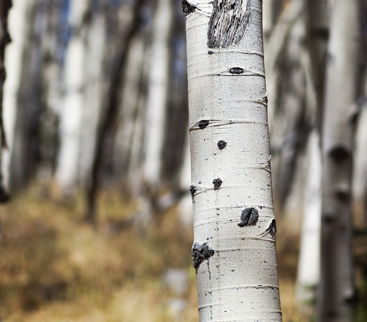
 Deeper Dive: Those Mysterious Aspen Groves