
Mastering Herb Harvest: Tips for Endless Fresh Flavor

There’s something super satisfying about standing at your kitchen windowsill with shears in hand, deciding which sprig of basil to trim next for tonight’s dinner plan. The subtle scent in the air wafting a little herby, peppery and fresh… but then, in that moment, you realize you’re not just harvesting for dinner tonight, you’re shaping and preserving that plant’s future– AKA, more of that fresh goodness for you to enjoy later!
Most of us grow herbs for the immediacy of it. We like the idea of fresh leaves snipped on demand. But the real magic happens when you learn to harvest herbs the right way — in a way that tells the plant, “keep growing, keep producing.” Once you understand how plants respond to each cut, your little herb patch becomes a renewable source of fresh flavor all season long.
The Secret Life of a Snip
Every time you make a cut, the plant gets a message. Trim just above a pair of leaves — what gardeners call a leaf node — and the plant says, “Ah, I’ll grow two stems here instead.” Trim too low or too randomly, and the plant hesitates, unsure where to branch next.
This tiny act of precision turns one stem into two, two into four, and so on — a quiet explosion of growth that turns a modest basil seedling into a lush mini-bush by midsummer. It’s the same with mint, parsley, oregano — even woody herbs like thyme and rosemary respond if you treat them with a bit of surgical respect.
A node is like a growth switch. When you cut just above one, the plant releases growth hormones (auxins and cytokinins) that wake up dormant buds below the cut. That’s how new stems form — and why precision cutting keeps herbs producing longer.
 Deeper Dive: What Happens at the Node: Some Botanical Science
Cutting for Growth, and for Cooking

It’s tempting to snip whatever you need — a little here for the pasta, a handful there for stir fry — and then move on. But your herbs notice your habits. Chop and go, interrupts natural rhythms and gets them confused; cut thoughtfully, and they reward you with density, fragrance and steady regrowth.
The general rhythm is simple: once your plant has enough leaves to spare — about six to eight on most herbs — start harvesting. Take no more than a third at a time. Leave enough green for photosynthesis, the plant’s way of feeding itself. The leaves are more than decoration — they’re the plant’s solar panels, turning light into energy it can use to grow back what you’ve just taken. When too many are removed, it loses that ability to recharge. A few leaves left behind lets it keep fueling itself, and in a few days, you’ll see new stems forming right where you cut… Pretty cool to watch!
I like to think of it as conversational pruning. You take what you need, the plant responds with more. At the root of it (I wish that pun wasn’t intended), it’s kind of a dialogue that becomes intuitive once you start paying attention.
“The more you harvest, the more they grow — as long as you never strip a plant bare,” says Melinda Myers, horticulturist and author of Small Space Gardening. “Think of harvesting herbs as strategic pinching, not picking.”
Timing the Harvest
If flavor matters to you — and of course it does — the time of day you harvest (especially if your herbs grow outdoors) can make a surprising difference. Morning is ideal: those early hours hold a kind of quiet perfection for herbs. The dew has just evaporated, the leaves are dry, and the plant’s essential oils — the very compounds that give basil its spice or mint its coolness — are still at their peak concentration.
As the day warms, sunlight triggers photosynthesis and respiration. In the process, herbs begin to use up some of their stored oils and moisture. By afternoon, they’ve spent part of their aromatic reserves to fuel growth and protect themselves from heat, and that vibrant fragrance you notice in the morning softens. By evening, much of that intensity is gone — not because the plant is less healthy, but because it’s simply had a full day of work and, just like you and me, needs a little break to recharge.

If you grow on a sunny windowsill, snip your herbs a few hours after the light hits them. That’s when they’ve gathered enough energy to replenish oils without yet losing their vibrancy. Avoid cutting right after watering or misting; wet leaves bruise easily and don’t store as well. And for herbs grown under lights, aim for a similar “mid-morning” moment — a couple of hours after the lights switch on — when the plant’s internal chemistry has found its daily rhythm.
Whether you’re harvesting outside under real sunshine or inside under a grow light, the idea is the same: catch the plant at its flavorful best — when leaves feel alive, dry, and fragrant, and the plant has everything it needs to grow right back again.
Learning Each Plant’s Rhythm

Every herb speaks its own language, and basil likes confidence. Regular cuts just above its leaf nodes keep it bushy. It responds positively to decisive pruning. In other words, if you only pluck a few leaves here and there, you’re not encouraging new branching — you’re just weakening the main stem over time. But when you cut cleanly and deliberately just above a leaf node (that V-shaped joint where two leaves meet), basil redirects its energy into two new stems at that node just below the cut. Those new stems quickly form their own sets of leaves, and within days, your plant becomes fuller and bushier. Mint doesn’t mind a heavier hand either; the more you trim, the more it sprawls. Parsley grows from the base, so instead of taking a handful from the top, you cut the outer stalks near the soil, leaving the inner crown to keep pushing out new shoots.
Here’s a bit of a twist: When it comes to Rosemary and thyme, being the woody perennials that they are, they actually prefer a milder touch. Snip the tender new growth at the tips rather than old woody stems, and you’ll have fragrant sprigs while keeping the plant’s structure intact.
The more you practice, the less it feels less like a chore and more like a give-and-take conversation between you and the green things in your indoor or outdoor herb garden.
After the Harvest
Once you’ve snipped your herbs and admired the bright little bouquet in your hand, you might be tempted to call it done. But harvesting is only half the conversation — the plant still has a story to tell in its reply to your cutting “comments”. How it grows back depends on how you care for it afterward.
Think of the first few hours after harvesting as the plant’s reset period. You’ve removed its growing tips, and now it has to decide where to send energy next. At this point, you’ll want to water deeply — not just a light mist. This helps transport nutrients to the base and supports that internal redirection of energy. For potted herbs, always check that drainage holes are open; soggy roots lead to weak regrowth. The goal is a steady rhythm: moist but never soaked soil, light that’s bright but not scorching, and airflow that keeps leaves dry and healthy.
If your herbs live indoors, post-harvest care often comes down to light. After a good trim, they’ll need extra energy to rebuild what they’ve lost. Position them where they’ll catch their longest stretch of light each day. You’ll notice how the trimmed stems begin to reach again within days, sometimes curling slightly toward the brightest direction. Also, a gentle rotation of pots every few days keeps that growth balanced and prevents too much leaning.
Try adding a small dose of organic fertilizer once or twice a month — something mild like diluted fish emulsion or compost tea. This gives the roots enough nutrients to replace what was taken. Indoors, where soil nutrients deplete faster, that light organic feeding keeps growth consistent. Outdoors, the soil does most of the work for you.
“Light is everything for regrowth,” says Dr. Sally Augustin, environmental psychologist and biophilic design expert. “Even small shifts in sunlight exposure change how herbs photosynthesize — which affects not only how fast they grow, but how flavorful they become.”
Harvesting as a Habit
One of the biggest misconceptions about harvesting herbs is that you should wait until you need them. But plants, much like people, thrive on routine. Frequent trimming signals continuous growth, keeping them compact and leafy instead of tall and scraggly.

I make it part of my weekly rhythm. Every few days, I do a gentle check-in: which plants are getting leggy, which are shading out others, which could use a haircut. It’s quick — a five-minute ritual that keeps everything healthy and also leaves me with small bundles of herbs to use or share. It’s pretty darn satisfying too!
If you overharvest once in a while, don’t panic. Most herbs are forgiving. They’ll tell you what they need next time — usually just a little rest, a little water, a little sun.
The Regrowth Mindset
Harvesting for regrowth is less about rules and more about relationship. When you start seeing your herbs as partners, you naturally begin to cut with more awareness. You watch how each responds, you learn what encourages new shoots, and in the process, you develop a deeper appreciation for their resilience.
And honestly? It’s a metaphor for so many things. The more we approach things thoughtfully — not too much, never carelessly — the more abundance we seem to enjoy in return.
Beyond the Snip: Making the Most of Every Harvest
Once you start cutting herbs with intention, something shifts. You stop worrying about taking too much and begin realizing how much the plants want to give. Every week or two, there’s another handful of basic, mint, or parsley ready for fresh pizza topping, frozen cubes for soups and sauces, or herb-infused essential oils!
At first, the abundance can surprise you. You think, “What am I going to do with all this?” But soon, it becomes part of your rhythm. Little bundles of thyme hang from cupboard knobs to dry. A tray of olive-oil cubes dotted with chopped basil chills in the freezer. There’s always a small jar on the counter with stems in water — half bouquet, half pantry.

Using what you grow is another form of care. Drying herbs teaches patience; freezing them teaches foresight. When you crumble your own oregano into a winter stew, you’re tasting the sunlight it absorbed months earlier. Even in the act of storing them — wrapping stems in damp cloth, labeling jars, fills the air with that grounding earthy scent and becomes part of the dialogue between you and the plants that started it all.
You may even start giving them away. A small jar of home-dried rosemary or a handful of mint wrapped in twine carries more thoughtful story than most store-bought gifts. And the flavor profile is miles beyond!
However you use your harvests, keep a little head space for natures gift of delight, wonder and inspiration. Herbs have an endless generosity about them. Once you learn their rhythm, they’ll keep giving long after you expected them to stop.
“Herbs are designed to be grazed,” notes biologist and author Edward O. Wilson. “When animals or humans trim them, many species respond by growing back even more vigorously — an evolutionary strategy for survival.”
Best Ways to Store Herbs for Flavor Retention
Drying, freezing, and storing all preserve flavor differently because each method treats essential oils — the compounds that hold scent and taste — in its own way.
Air-drying in a cool, shaded spot lets moisture escape slowly, keeping the oils intact.
Freezing locks those volatile oils in place, so when you thaw a cube of olive oil and basil months later, it releases like a burst of summer.
If you’re storing fresh herbs, wrap them loosely in a slightly damp paper towel and place them inside a breathable bag in the refrigerator. Too much moisture dulls the oils; a little humidity keeps them alive.
It’s less about perfection and more about preserving the spirit of the plant — the living essence that made your kitchen smell like a garden in the first place.
When the Season Shifts
Every garden, even one grown on a windowsill, has its seasons. You start to notice small changes — the way light slants through the glass a little earlier, the soil that takes longer to dry, the basil that grows more slowly now, as if it’s pacing itself.
Outdoors, herbs sense the cooling air and shorter days on there way long before we do. Their stems thicken, their oils concentrate, and they begin to pull energy back into their roots. Indoors, the signs are subtler — a touch of yellow on older leaves, a slower push of new growth. You might sense a quieter, slower tone where there used to be a flurry of growing activity. It’s the plant’s way of saying, “I’m resting now. Keep me steady.“

This is when I ease off the shears. Instead of big harvests, I take small snips for meals and let the plants rebuild. A gentle trim here and there keeps them healthy, but I let their overall shape hold. If they live outside, I leave a little extra foliage — a layer of green insulation for the cooler nights ahead. Inside, I adjust watering and move the pots closer to the light. The goal isn’t more yield now; it’s balance.
I’ve learned that not every season needs to be abundant. Some are meant to be marked with patience. When growth slows, it isn’t loss — it’s preparation. Herbs, like people, need intervals of quiet to gather strength for what comes next.
If you listen closely, this is the moment the garden teaches one of its gentlest lessons: growth and rest belong to the same rhythm.
Closing Thoughts
Harvesting herbs has a way of teaching patience. You start out focused on the practical — how to get more basil, or how to stop that mint plant from taking over — but the routine becomes something else. Over time, you start to notice patterns: how a plant reacts to the way you cut it, how quickly it responds when the light shifts or the soil dries.
It’s not dramatic, just steady. A rhythm between what you do and how the plant answers back. Cut here, and two new stems appear. Wait too long, and it stretches thin. You adjust, it adjusts and, before you know it, you’re in sync.
That’s what I like most about growing herbs. It’s not really about the harvest itself. It’s about the exchange — the small, repeated act of giving and getting back. Each snip is a reminder that good things grow stronger when you handle them with attention.
So when you reach for your scissors, slow down for a second. Notice the stem you’re about to cut. Look at the color, the texture, the way it leans toward the light. That moment of awareness is what makes it all work — not the tools, not the technique, but the attention.
The more you see, the more you understand. And the more you understand, the easier it is to keep things growing.

Discover more from NaturAbode
Subscribe to get the latest posts sent to your email.

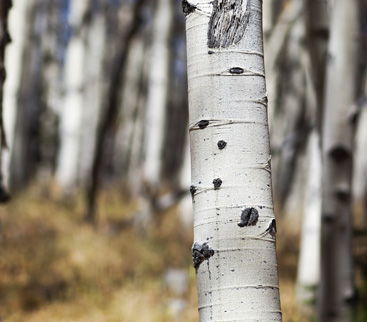
 Deeper Dive: Those Mysterious Aspen Groves





Thanks for continuing in sharing your expertise, David.
Thank you, Shannon!