
How to Use Asymmetry in Your Space
Asymmetry in design means intentionally placing uneven or non-matching elements to create visual interest and flow. It feels more natural than strict symmetry and helps a room feel alive and inviting.
Here are some ideas to help you bring asymmetry into your biophilic interior:
- Colors: Nature blends a variety of tones. For example, pairing a sage green wall with mustard yellow accents and natural wood echoes a woodland scene, creating warmth and depth.
- Textures: Mix rough and smooth materials like woven rattan, polished stone, and soft linen to build a tactile, grounding environment.
- Shapes: Use furniture and decor with flowing curves—like a rounded sofa or an irregular mirror—to soften rigid lines and bring in organic movement.
- Sizes: Combine large and small elements—a tall fiddle-leaf fig beside a group of small succulents—to mirror natural scale variation.
Some Science Behind Why Asymmetry Comforts Us

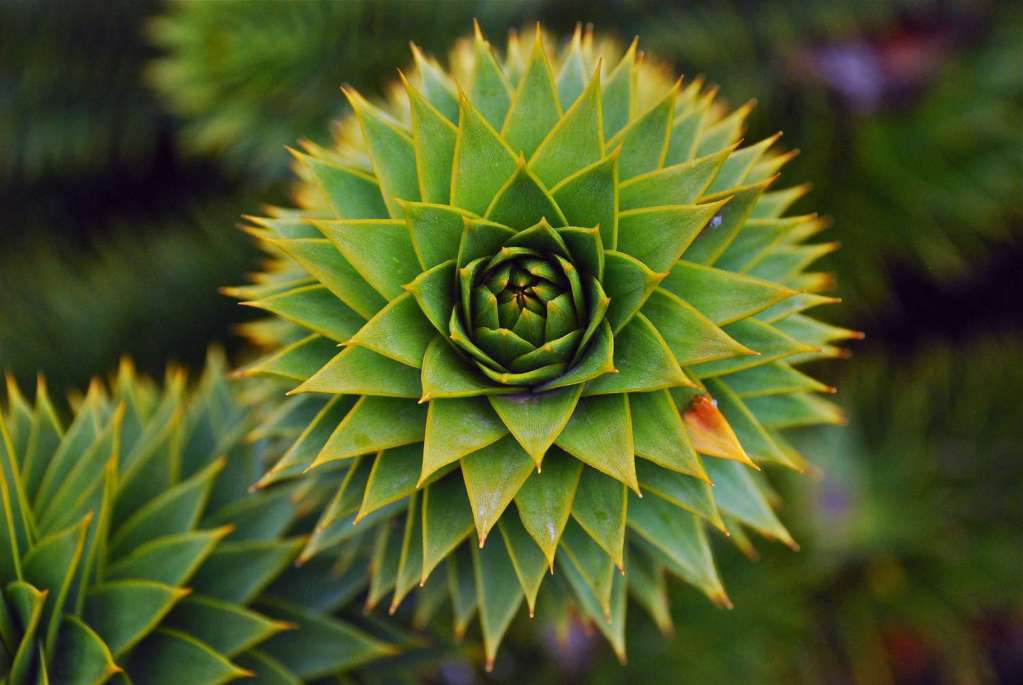
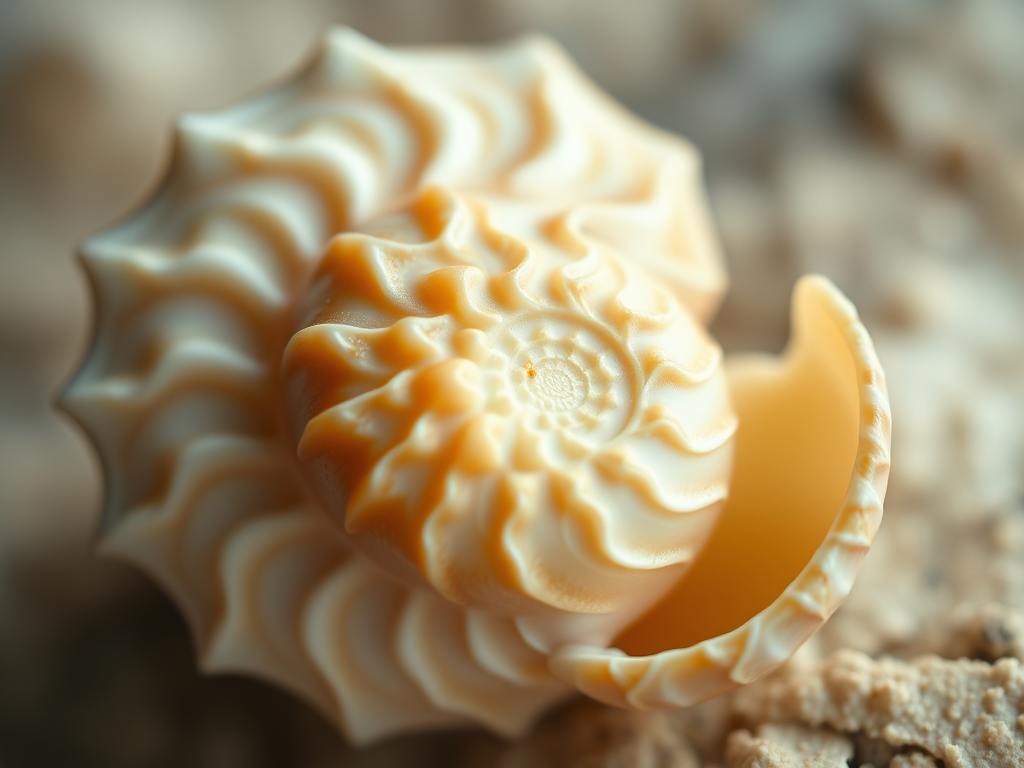
- Original Family Connection: Since the beginning we have lived and thrived in environments filled with asymmetrical, fractal forms. According to environmental psychologist Dr. Stephen Kellert, these natural patterns “signal safety and abundance” to our brains.
- Visual Engagement: Asymmetry encourages gentle eye movement, supporting Attention Restoration Theory (ART), which suggests natural environments restore focus and reduce mental fatigue.
- Human Imperfection: Perfect symmetry can feel artificial, while asymmetry embraces imperfection, making spaces feel more relatable and welcoming.
- Multi-Sensory Experience: Varied textures and shapes create a rich sensory environment that deepens our connection to the space.
Recent research supports asymmetry’s role in restorative design. A 2023 study in the Journal of Environmental Psychology found that biomorphic shapes and natural patterns—often asymmetrical—reduce stress and promote emotional well-being in homes. Neuroscientist Dr. Anjan Chatterjee’s work on fractal geometry further confirms these patterns engage the brain gently, aiding relaxation.
Bringing Asymmetry into Your Home

Arrange furniture unevenly but balanced—like a large sofa paired with a cluster of smaller chairs or a tall plant. Take the “soft-landing” approach and think natural: “not too much or too little…”
- Choose decor with organic curves alongside some straight lines for contrast and a nice balanced asymmetry.
- Mix rough and smooth textures for natural variety.
- Combine different sizes of plants and accessories to add depth.
- Use nature-inspired patterns, such as leaf motifs or fractal designs, in rugs or wallpapers.
- Add natural elements like driftwood, stones, or branches as decor.
Conclusion: Embrace Nature’s Imperfect Beauty Indoors
Asymmetry in biophilic design isn’t just a style choice—it’s a way to bring nature’s comforting, organic beauty inside. By embracing varied colors, textures, shapes, and sizes, we create spaces that feel alive, balanced, and deeply soothing.
Try adding asymmetry to your home—let nature’s imperfect harmony bring you peace and connection.
*Unpredictable is a somewhat loose term here as I consider the mystery, complexity and order of fractal patterns. Don’t get me started on that! Look for another super nerdy post on Fractal Patterns: Predicably Unpredictable.
Discover more from NaturAbode
Subscribe to get the latest posts sent to your email.

 Deeper Dive: Those Mysterious Aspen Groves