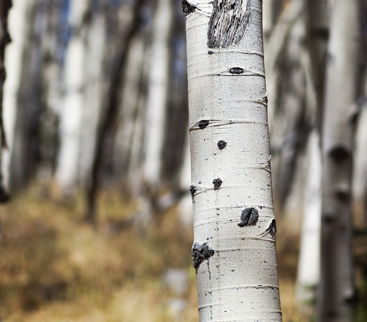

Biophilic Design is the practice of creating indoor environments that support our innate connection to nature. What do I mean by “innate connection”? I’m talking about something built into our biology. This is not a style trend; it’s an ages-old dynamic, promoting whole environments inside your home and, as a result, wellness inside YOU! This practice includes bringing inside elements like daylight, fresh air, plants, water, natural materials, textures and organic forms—to create spaces that support mental and physical health.
Biophilic Design at its Roots
The term biophilia means “love of life” and was popularized by biologist Edward O. Wilson in 1984. He argued that human beings are biologically drawn to natural environments—and that our separation from them, especially in modern cities and buildings, can negatively impact our health.

According to Stephen Kellert, a social ecologist and pioneer in this field, “Biophilic design is not simply a matter of inserting an object of nature into a building. It is much more.” In his book Nature by Design, he wrote that it’s about “fostering repeated and sustained engagement with the natural world.”
“We thrive in spaces where we can experience nature not just as scenery, but as part of our daily lives.” — Stephen Kellert, Nature by Design
Ways to Bring Nature In:
- Windows that let in changing daylight
- Indoor plants or green walls
- Natural materials like wood, wool, and stone
- Textures and colors found in nature
- Views of gardens, trees, or water
- Design layouts that mimic natural patterns (like fractals)
Why This Matters for Anyone Living Indoors (Which Is Almost Everyone)
It’s for anyone, but especially for people who spend most of their time indoors—which seems most of humanity these days. The EPA estimates Americans spend 90% of their time inside. That can contribute to stress, fatigue, and even poor air quality.
More than ever, designers and architects in residential, commercial, healthcare, and education sectors are recognizing this and filling the gap, using biophilic principles to improve how spaces feel and function.
How an Ancient Instinct Became a Modern Design Movement

The human bond with nature is ancient, but biophilic design as an intentional concept came into focus in the late 20th century:
- 1984 – Edward O. Wilson publishes Biophilia, proposing the idea that humans have an inherent need to affiliate with nature.
- 2000s – Stephen Kellert begins applying this concept directly to architecture and design.
- 2014 – Terrapin Bright Green publishes 14 Patterns of Biophilic Design, helping practitioners apply these ideas practically.
From Bedrooms to Boardrooms: Where Biophilic Design Comes to Life

Biophilic design can be used in:
- Homes: open windows, leafy houseplants, use of natural textures, or quiet corners with garden views.
- Offices: living walls, daylighting, indoor trees, and nature-themed breakout spaces.
- Hospitals and schools: studies show even simulated nature (like murals or soundscapes) can reduce stress and aid healing.
What the Research Says About Nature’s Power Indoors
Numerous studies show that exposure to natural elements indoors improves health.
- A 2010 study in Environment and Behavior found that office workers with views of trees had lower stress and greater job satisfaction. A 2007 study by Shin et al., published in the Scandinavian Journal of Forest Research, found that office workers with views of forested landscapes reported lower stress levels and higher job satisfaction than those without nature views.
- A 2014 University of Exeter study showed that introducing indoor plants could boost productivity by 15%.
- A review in Frontiers in Psychology (2021) found biophilic design was linked to reduced blood pressure, improved mood, and faster recovery rates in hospitals.
This isn’t just a feel-good concept—it’s measurable.
“Nature holds the key to our aesthetic, intellectual, cognitive and even spiritual satisfaction.”
— Edward O. Wilson, The Diversity of Life (1992)
A Quick Recap
Biophilic design is:
- Rooted in science and human biology
- Backed by research showing health and psychological benefits
- Flexible—it works in small homes, offices, or large buildings
- Not just about aesthetics, but about improving how people feel and function indoors
Discover more from NaturAbode
Subscribe to get the latest posts sent to your email.

 Deeper Dive: Those Mysterious Aspen Groves