

If you’ve been growing your own food indoors for more than a few weeks, chances are something’s gone a little sideways. A basil plant wilts even after you’ve just watered it. Your arugula is stretching tall and thin. The soil smells a little… wrong. You’re not alone.
This stage is part of the process. It’s where your relationship with your plants starts to deepen—when you stop just following instructions and begin to really notice. That’s the shift from just having plants to living with them.
Troubleshooting isn’t about rescuing your plants in a panic. It’s about learning to read the signs, stay curious, and adjust as you go. Most issues are surprisingly simple to fix once you know what to look for—and more often than not, your plant is trying to show you what’s off.
Let’s walk through some of the most common things that come up, and how to gently course-correct when they do.
Yellowing Leaves

If you see a few yellow leaves beginning to appear, especially toward the base of your plant, don’t panic or take it personally, you’re on a journey. This is usually your plant asking for something basic. Maybe it’s getting too much water; maybe not enough. Maybe it’s run out of nutrients and needs a boost. The best place to start is to check the soil for moisture levels. Press a finger an inch or two in. If it’s wet and sticky, it’s probably overwatered. If it’s dry and pulling away from the edge of the pot, it’s time for a drink.
Gardening writer Barbara Pleasant says it simply:
“Most plant problems begin with watering habits. Learn to read your soil’s moisture, not just stick to a schedule.”
A weekly watering schedule is a decent rule of thumb, but even that can shift with the season, your home’s humidity, and the specific plant in question. Reading the “music” of your plant’s rhythm is an acquired skill. As you listen to the subtle notes of your indoor garden—with a little practice and patience—you’ll soon tune in to enjoy the fruits of your labor in no time.
Wilting
Now, if your plant looks wilted even though the soil is moist, it’s likely the roots are in trouble. Overwatering doesn’t just mean “too much water” once—it’s more about too much over time, leaving the roots with no time to breathe. When roots sit in soggy soil, they can’t aerate, and that’s when they start to rot. You’ll know it’s root rot if the plant keeps drooping no matter what you do. In that case, gently remove it from the pot and check the roots. Healthy ones are firm and white, while mushy, dark ones need to go. Trim them away and repot into fresh, well-draining soil. And make sure the pot has drainage holes—always. That breathability makes all the difference. Without it, the plant can’t take up nutrients properly, and everything starts to shut down. Good drainage gives the roots space to breathe, grow, and stay resilient. It’s one of the simplest fixes—and one of the most important.

“Well-aerated potting soil and containers with drainage holes are essential to preventing root asphyxiation and pathogen buildup.” —University of Vermont Extension
Crucial Lighting

Light isn’t just a nice-to-have for plants—it’s the engine that keeps everything running. Through photosynthesis, plants convert light into energy they use to grow, heal, and produce the foods we’re hoping to harvest. No matter how rich your soil is or how carefully you water, without enough light, your plants will struggle.
Sometimes your plants grow, but not how you want them to. Maybe your herbs get tall and spindly instead of full and leafy. That leggy, spindly growth is your plant’s way of chasing light. It’s stretching, trying to reach more what it’s lacking:
“Leggy growth is an adaptive response—plants reach for light when it’s insufficient. Regular pruning and better lighting can correct this pattern.” — Dr. Charlie Guy, plant physiologist
If you notice stems getting too long and bare, try moving your plant to a brighter window or bringing in a full-spectrum grow light. And don’t forget to rotate the pot every few days. That simple habit keeps growth more balanced. A little pruning can help too—just trim the top leaves to encourage branching.

It’s the Fuzz!
Every now and then, you might notice soft white fuzz forming on the soil surface. That’s mold. And while it’s not always dangerous, it is a sign that your watering habits or airflow need adjusting. Indoors, especially in cooler times and transition from season to season, things can get damp.
As the seasons shift, especially during the in-between months, your indoor environment starts to change in subtle ways—even if you haven’t touched the thermostat. In early fall or spring, the air inside your home might still hold onto a bit of humidity from the outdoor air, but you’re getting less daylight and cooler temperatures. That means less evaporation and slower plant activity overall—exactly what mold loves.
“Mold on soil is common indoors, especially with excess moisture. It rarely harms plants but is a sign of poor ventilation and overwatering.” —University of Maryland Extension
The fix is easy. Scrape off the top layer of moldy soil, let the pot dry out a bit, and make sure there’s some airflow around your plants. Even a small fan on low can make a difference. You can also sprinkle a little cinnamon on the soil—it has antifungal properties and smells good too.

Drying Out or Browning Leaf Edges
If the tips of your leaves are turning brown and dry, especially on things like leafy greens or herbs, your plant might be stressed by dry air or a buildup of salts from fertilizer. This often happens in winter when indoor heat kicks on and humidity drops.
Darryl Cheng, author of The New Plant Parent, shares this insight:
“Crispy leaf tips are usually environmental—too dry, too salty, or too erratic. Plants don’t want perfection, they want consistency.”
Try setting your pots on trays filled with water and pebbles to raise local humidity, or group plants together so they create a microclimate. If you’ve been feeding regularly, flush the soil with water once or twice to clear out excess minerals.
What’s Buggin’ Your Plants

Then there’s the moment you spot something crawling. Leaf curling, stickiness, or tiny bugs often means pests like aphids or whiteflies have found their way inside. They tend to cluster under leaves, especially on new growth. It’s frustrating—but manageable.
Start by isolating the affected plant so it doesn’t spread. A simple spray of diluted dish soap (a teaspoon per quart of water) can knock most pests back. Neem oil works well too. Wipe the leaves gently and repeat every few days until the bugs are gone.
“The best defense against indoor pests is vigilance and healthy plant care.” — The University of California Integrated Pest Management Program
Fungus gnats are another common intruder—those tiny black flies hovering near your soil. They love damp environments, especially if the top of the soil stays wet too long. They don’t usually harm your plants directly, but they can get annoying fast.
Oregon State University Extension recommends drying out the soil and improving drainage, adding:
“Fungus gnats thrive in overly moist soil. Reduce watering and improve drainage to control them naturally.”
Try letting the top inch of soil dry between waterings, and sprinkle a layer of sand or fine gravel over the top—it blocks them from laying more eggs. Sticky yellow traps (small, brightly colored cards coated with a non-toxic adhesive) can help you track and hopefully reduce or eliminate the population.
Pollination
Sometimes your plants are growing well—lush, green; healthy looking, but you still aren’t seeing any flowers or fruit. Tomatoes, peppers, even strawberries indoors need a little help with pollination since there are no bees to do the job.
Melinda Myers, a well-known garden educator and host of Melinda’s Garden Moment, notes:
“Indoor food plants often struggle with pollination and fruiting due to low light and still air. A simple brush and a brighter spot can make all the difference.”
Use a small paintbrush or cotton swab to gently transfer pollen between blossoms. And make sure your lighting is strong enough—fruiting plants are light-hungry.
Odorous Soil
If you catch a whiff of something sour or rotten coming from your pot, that’s a red flag. Healthy soil smells earthy. Foul odors usually mean the roots are sitting in too much water and not enough oxygen—what’s called anaerobic conditions.
“Foul odors often signal anaerobic conditions in the soil. Repotting and reducing moisture can restore balance quickly.” — Dr. Linda Chalker-Scott from Washington State University
Take the plant out, trim off any soft or blackened roots, and replant in fresh, dry soil with good drainage. It’s a reset your plant will thank you for.
A Winter Recess

But if it’s been weeks with no change, it could be light or nutrient related.
And then there’s the problem that’s not really a problem at all, but feels like one where nothing seems to be happening. The plant just sits there. No new leaves, no sign of growth. It might not be sick—it might just be paused. Many plants slow down in winter or adjust after repotting.
“Slow growth indoors is typically light-related. Edible plants need longer exposure than most ornamentals.” —Royal Horticultural Society
Try boosting light first, and if the plant is root-bound (you’ll see roots circling the pot or poking out of the bottom), give it a bit more room to grow.
Final Thought: Listen First, Then Respond
If there’s one thing that unites all of these issues, it’s this: your plant is trying to tell you something. Whether it’s drooping leaves, strange smells, or leggy stems, there’s always a message underneath. And your job isn’t to react with urgency; it’s to observe with curiosity.
You don’t have to solve it all at once. Plants, like people, live life in and out of seasons. Some days they surge forward, other days they pull back. Your role is to notice the shifts, respond with small, thoughtful changes, and give them the time they need to respond in turn.
That’s the rhythm—showing up, paying attention, learning a little more with each interaction. The more you lean into it, the more natural it feels, until it’s less about “fixing” and more about being in step with something living.
It’s important to realize that troubleshooting isn’t a sign that something’s gone terribly wrong, but simply real life, real gardening in real time. When you’re listening, adjusting and growing right alongside your plants, you’ll find that your ability to sense, see and respond to those rhythms is part of what makes it so rewarding.
COMING SOON: Grow Your Own (Part 6): Recap and Next Steps is the wrap-up and the launchpad. We’ll look back at what we’ve learned, celebrate the small wins, and talk about how to keep your indoor garden thriving. Whether you’re ready to add a few new plants or want to settle into a steady rhythm of an indoor garden, this Part 6 is about carrying the satisfaction of the process, and joy of the harvest forward.

Discover more from NaturAbode
Subscribe to get the latest posts sent to your email.

 Deeper Dive: Those Mysterious Aspen Groves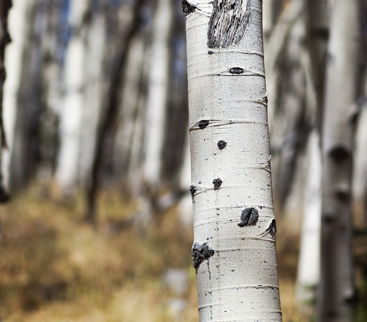






nice work dave
Thanks, bruh!